Mastering Goalkeeper Positioning in Rematch: The Ultimate Guide to Becoming an Elite Last Line of Defense
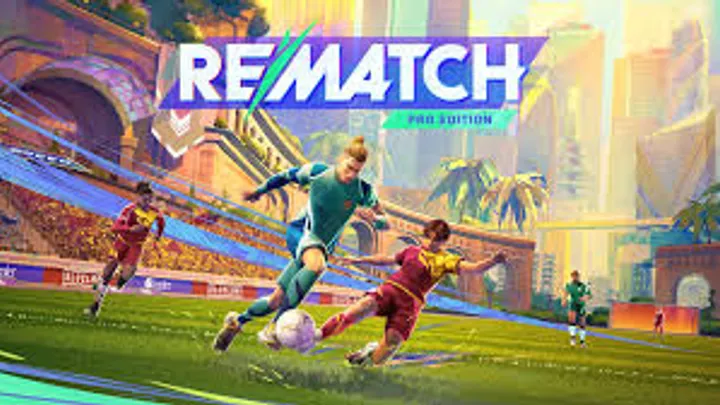
In Rematch, most players focus on scoring goals, performing skill moves, and creating flashy attacking plays. As a result, goalkeeper responsibilities are often misunderstood or completely ignored. Many teams lose matches not because their attackers fail to score, but because their goalkeeper repeatedly makes poor positioning decisions.
Unlike traditional football games where goalkeepers are mostly AI-controlled, Rematch places enormous responsibility on player decision-making. A great goalkeeper can completely change the outcome of a match, while a poor one can undo an entire team's hard work within seconds.
The biggest misconception among new players is believing that goalkeeping is primarily about making saves. In reality, elite goalkeepers prevent dangerous situations before shots are even taken. Positioning, anticipation, communication, and movement efficiency matter far more than reflexes alone.
This guide focuses specifically on one advanced topic: mastering goalkeeper positioning and decision-making in competitive Rematch matches.
Instead of discussing basic controls, this guide explores advanced defensive concepts that separate average goalkeepers from elite match-winning players.
Understanding the Modern Goalkeeper Role
Many new players think the goalkeeper's job begins when an opponent shoots.
This is incorrect.
A goalkeeper influences every phase of defensive play.
Your responsibilities include:
- Covering shooting angles
- Organizing defense
- Reading attacks
- Starting counterattacks
- Managing space behind defenders
Core Goalkeeper Philosophy
A goalkeeper should:
- Prevent easy shots
- Force attackers into mistakes
- Control dangerous areas
Common Beginner Mistake
Standing directly on the goal line.
This reduces reaction options and gives attackers more space.
Mastering Basic Positioning Fundamentals
Positioning is the foundation of goalkeeping.
Poor positioning creates impossible saves.
Good positioning makes difficult saves appear easy.
Ideal Starting Position
Position yourself:
- Slightly off the goal line
- Aligned with the ball
- Ready to move both directions
Positioning Priorities
Ball First
Always align with the current ball position.
Goal Coverage
Protect the largest shooting angles.
Mobility
Maintain movement flexibility.
Advanced Rule
Good positioning reduces the need for spectacular saves.
Angle Management and Shot Prevention
Elite goalkeepers think about angles constantly.
Every movement changes the attacker's available shooting options.
Understanding Shooting Angles
When attackers approach:
- Wider angles become less dangerous
- Central angles become more dangerous
Positioning Strategy
Move forward slightly when:
- Attackers enter the box
- Space behind defenders decreases
Remain deeper when:
- Long shots are likely
- Through-ball threats exist
Advanced Concept
Force attackers toward lower-percentage shots.
Goalkeeping is often about influencing decisions rather than reacting.
Reading Attacker Intentions
The best goalkeepers predict actions before they happen.
Reaction alone is not enough at higher levels.
Key Attacker Signals
Watch:
- Body orientation
- Dribble direction
- Sprint patterns
- Teammate movement
Common Attack Types
Direct Shot
Signs:
- Straight approach
- Limited dribbling
Pass Across Goal
Signs:
- Head-up movement
- Teammate running far post
Skill Move Setup
Signs:
- Slower approach
- Side-to-side movement
Advanced Tip
Predict the attacker's most logical option before committing.
One-on-One Situations
One-on-ones decide many competitive matches.
Most beginner goalkeepers panic.
Elite goalkeepers stay patient.
One-on-One Principles
- Do not rush immediately
- Stay balanced
- Force decisions
Common Goalkeeper Mistakes
Overcommitting
Attackers easily move around you.
Staying Too Deep
Attackers gain easy shooting opportunities.
Optimal Strategy
Gradually reduce shooting angles while maintaining recovery options.
Patience wins more one-on-ones than aggression.
Defending Crosses and Cutbacks
Crosses and cutbacks are among the most dangerous attacking tools in Rematch.
Many goals occur because goalkeepers position themselves incorrectly.
Cross Defense Rules
Position:
- Between ball and goal
- Slightly forward when necessary
Cutback Awareness
Watch:
- Wide attackers
- Supporting runners
- Penalty-area movement
Advanced Technique
Prioritize central danger over wide danger.
Most goals come from central finishing positions.
Communication and Defensive Leadership
Goalkeepers see the entire field.
This makes communication one of their most powerful tools.
Effective Communication
Call out:
- Open attackers
- Defensive gaps
- Incoming runs
Leadership Responsibilities
- Organize defenders
- Prevent overlapping threats
- Maintain defensive structure
Common Error
Remaining silent.
Information often prevents goals before they develop.
Transition Defense and Counterattack Prevention
Many goals occur immediately after possession changes.
Teams become vulnerable during transitions.
Goalkeeper Responsibilities
Monitor:
- Defensive shape
- Opponent positioning
- Through-ball opportunities
Transition Positioning
Remain:
- Far enough forward to support defense
- Deep enough to prevent breakaways
Advanced Principle
The most dangerous moment is often right after losing possession.
Prepare early.
High-Level Save Mechanics
At advanced levels, positioning creates most saves.
However, execution still matters.
Save Priorities
Secure the Ball
Preferred whenever possible.
Deflect Safely
Avoid dangerous rebounds.
Maintain Recovery Position
Prepare for second chances.
Advanced Rule
A saved shot is not fully defended until the rebound is controlled.
Endgame Goalkeeping Under Pressure
Late-game situations create unique challenges.
Players often abandon discipline when protecting a lead.
Common Endgame Mistakes
- Staying too deep
- Panicking under pressure
- Chasing attackers
Endgame Priorities
- Maintain positioning discipline
- Slow the game's tempo
- Communicate constantly
Mental Focus
Trust your positioning.
Panic creates mistakes.
Training Like an Elite Goalkeeper
Improvement comes through repetition and analysis.
Training Areas
Week 1:
Basic positioning.
Week 2:
Angle management.
Week 3:
One-on-one situations.
Week 4:
Communication and leadership.
Review Process
After matches ask:
- Was my positioning correct?
- Did I overcommit?
- Did I communicate enough?
- Could I have prevented the shot earlier?
Small improvements create major results over time.
Conclusion
Mastering goalkeeper positioning in Rematch is about much more than making saves. Elite goalkeepers control space, manage angles, anticipate attacks, and organize their defense long before a shot is taken. By focusing on positioning, decision-making, communication, and patience, you can dramatically reduce goals conceded and become one of the most valuable players on any team. The best goalkeepers are not the most athletic—they are the most intelligent and disciplined.