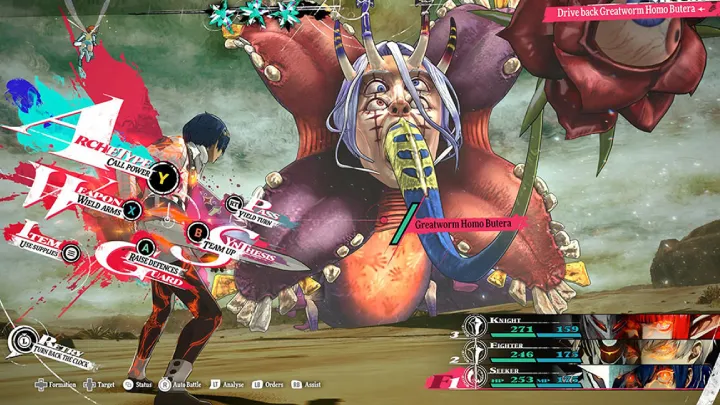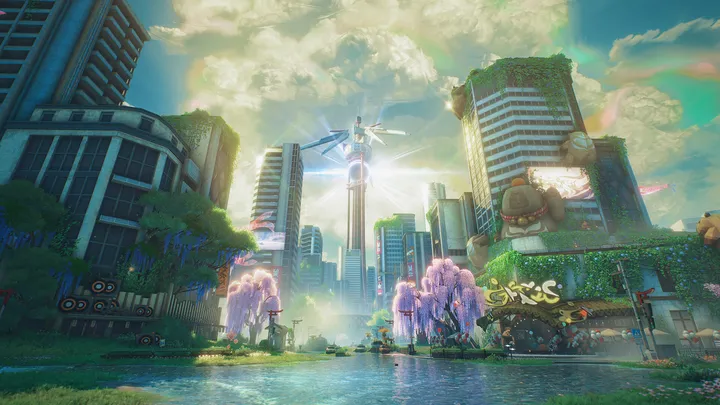

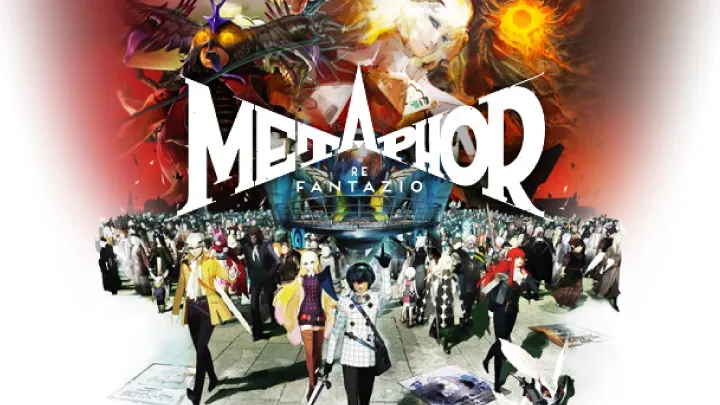
Metaphor: ReFantazio has emerged as a standout title in the role-playing game (RPG) genre, captivating players with its enchanting world, unique characters, and layered storytelling. However, amidst its accolades, a critical issue has surfaced: the challenge of narrative depth and coherence. This article delves into the complexities of Metaphor: ReFantazio’s narrative structure, examining how its ambition affects character development, pacing, and overall player engagement.
The Unique Narrative Landscape of Metaphor: ReFantazio
At its core, Metaphor: ReFantazio offers a compelling storyline that centers on the protagonist's journey through a fantastical realm, filled with nuanced characters and morally complex situations.
Core Story Elements
The game is defined by several key narrative components:
- Fantasy World-Building: The setting is richly detailed, filled with diverse cultures, magical elements, and political intrigue.
- Character-Driven Plot: Each character offers personal stakes that intertwine with overarching conflicts, influencing the story's trajectory.
Engaging Players through Story
From the beginning, the game captures players' attention with its immersive storytelling, often utilizing emotional beats to draw players into the narrative.
The Challenge of Complexity
While a multi-layered narrative can enhance user experience, it also presents risks. The intricacy of the plot may lead to confusion if not managed effectively.
The Interplay of Characters and Narrative
Character development plays a vital role in advancing the story in Metaphor: ReFantazio. Yet, inconsistencies in character arcs can undermine the overall effectiveness of the narrative.
Character Arcs and Development
The growth of characters is designed to be organic, reflecting their experiences and relationships as they navigate challenges.
Importance of Relatability
- Personal Stakes: Players connect to characters whose motivations align with their struggles, enhancing emotional investment.
- Flawed Humanity: Characters’ flaws and vulnerabilities allow for relatable experiences, fostering strong connections.
Issues with Character Consistency
Despite strong initial development, some characters may exhibit inconsistencies in their arcs, leading to confusion for players and a diluted narrative impact.
Examples of Inconsistency
- Erratic Motivations: Characters may change their motivations suddenly, making it difficult for players to understand their decisions.
- Abrupt Development: Rapid shifts in character dynamics can feel unearned, causing players to disengage from emotional connections.
The Pacing of Narrative Beats
Effective pacing is crucial for maintaining player interest and engagement in any RPG. The pacing of Metaphor: ReFantazio offers both thrills and challenges, affecting how players experience the unfolding story.
Balancing Action and Dialogue
The game alternates between action sequences and dialogue-heavy moments, creating a rhythm that must be carefully managed to sustain engagement.
Effective Use of Action and Dialogue
- Action Sequences: Intense, fast-paced sequences can provide excitement and adrenaline, drawing players deeper into the game.
- Dialogue Heavy Moments: Thoughtful dialogues can deepen character relationships and provide context, ensuring players remain emotionally invested.
Identifying Pacing Issues
In Metaphor: ReFantazio, some players have reported issues with pacing, where action-heavy sequences overshadow introspective moments or vice versa.
Signs of Pacing Problems
- Poor Transitioning: Abrupt switches between intense combat and dialogue can disrupt immersion.
- Excessive Downtime: Lengthy periods of exposition without engaging gameplay can lead to boredom and disengagement.
Engaging the Player’s Emotions
Emotional engagement is a cornerstone of storytelling in gaming, and Metaphor: ReFantazio aims to elicit strong emotional responses from players. However, the effectiveness of these emotional beats can vary.
Creating Emotional Depth
By crafting poignant moments within the narrative, developers can foster deep emotional connections for players. Significant encounters or revelations can resonate on a personal level.
Techniques for Emotional Engagement
- Intimate Moments: Well-paced reveal scenes that focus on character relationships can create impactful emotional events.
- Contrasting Experiences: Juxtaposing lighthearted moments with darker themes can enhance the emotional weight of character development.
Challenges in Emotional Resonance
Despite attempts to engage players emotionally, some scenes may not land as effectively due to inconsistent writing or pacing.
Examples of Emotional Discrepancies
- Forced Drama: Elements that seem too over-the-top or melodramatic can disengage players from genuine emotional experiences.
- Uneven Character Moments: When emotional beats revolve around underdeveloped characters, the impact can feel hollow and unearned.
Player Agency and Its Influence on Narrative
A hallmark of RPGs is providing players with agency, allowing them to make decisions that influence the narrative. Balancing player choices with a coherent storyline is essential for a satisfying experience.
Implementing Free Choice
Metaphor: ReFantazio incorporates player choice, allowing decisions to impact characters and the overall outcome of the story.
Key Aspects of Player Choice
- Branching Story Paths: Routes that players can take based on their decisions create a dynamic narrative flow.
- Character Influence: Players can affect relationships and character fates, making their choices feel impactful.
Risks of Choice-Induced Complexity
While offering players choices adds layers to the narrative, it can also result in a convoluted storyline that lacks clarity.
Navigating Decision Overload
- Complex Paths: Players may struggle in determining the best course of action when faced with numerous branching paths.
- Difficult Consequences: Choices may lead to outcomes that feel contradictory or disjointed, diminishing player satisfaction.
Community Feedback and Its Role in Narrative Development
The player's voice is critical in shaping a game's narrative experience. Engaging with the community and responding to their feedback can help developers identify issues and refine storytelling.
Gathering Insights from the Player Community
Developers should actively seek player feedback on the narrative aspects of Metaphor: ReFantazio, focusing on areas for improvement.
Effective Feedback Channels
- Online Forums: Dedicated spaces for discussion allow players to share their thoughts and suggestions about the narrative.
- Social Media Engagement: Utilizing platforms like Twitter or Reddit facilitates conversations and insights.
Adapting Based on Community Feedback
Actively responding to the concerns and suggestions of players can lead to significant improvements in narrative cohesion and player engagement.
Examples of Developer Responsiveness
- Patch Updates: Updates addressing narrative concerns based on community feedback can validate player engagement.
- Incorporating Suggestions: Integrating player-suggested enhancements or story elements can lead to improved emotional engagement and narrative connection.
The Future of Narrative Cohesion in Metaphor: ReFantazio
Looking ahead, continuing to refine narrative cohesion will be vital to maintaining player interest and loyalty in Metaphor: ReFantazio.
Fostering Consistent Character Depth
Developers must focus on expanding character narratives while ensuring they remain coherent and integrated within the overarching story.
Strategies for Character Development
- Further Exploration of Backstories: Expanding on characters’ histories and motivations leads to a richer narrative experience.
- Character Relationships: Deepening interactions and connections can create more engaging emotional narratives.
Emphasizing Pacing and Player Agency
Striving for effective pacing and meaningful player choices can significantly enhance how players experience the narrative.
Future Directions
- Dynamic Storytelling: Implementing a blended approach between linear and variable narratives can keep players on their toes.
- Scalable Difficulty for Choice Consequences: Ensuring that player choices affect outcomes without spiraling into convoluted narratives can enhance engagement.
Conclusion
Metaphor: ReFantazio captures the imagination with its vibrant world and engaging characters, but the issue of narrative cohesion presents ongoing challenges. Balancing character development, pacing, and player agency is essential for providing a fulfilling and immersive experience. By actively listening to community feedback and refining narrative mechanics, developers can create a game that resonates deeply with both new and veteran players in the expansive world of RPGs.