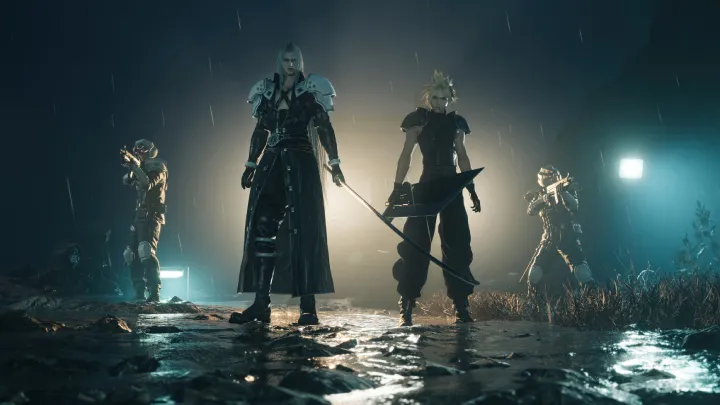
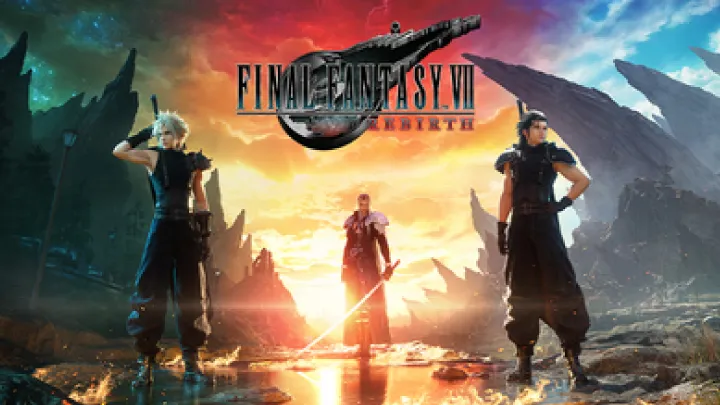
Final Fantasy VII Rebirth has generated considerable excitement and discussion among fans and newcomers alike, following in the footsteps of its predecessor, Final Fantasy VII Remake. As players venture further into the expanded narrative of this remake series, a significant issue arises: the challenge of maintaining narrative cohesion amidst extensive world-building and gameplay innovations. This article will explore the complexities of narrative cohesion in Final Fantasy VII Rebirth, examining how it affects character development, player engagement, and the overall experience.
The Legacy of Final Fantasy VII
To appreciate the challenges faced by Final Fantasy VII Rebirth, it is important to understand the legacy of the original Final Fantasy VII. Released in 1997, it quickly became a milestone in gaming history, known for its rich narrative and memorable characters.
Cultural Impact and Nostalgia
The game's influence extends beyond gameplay mechanics; it has left a lasting mark on gaming culture. Many players hold a deep nostalgia for the original title, which sets high expectations for future installments.
Key Elements of Nostalgia
- Iconic Characters: Characters like Cloud Strife, Tifa Lockhart, and Sephiroth have become cultural symbols, representing complex narratives.
- Memorable Locations: Places like Midgar and the Chocobo Farm evoke a sense of place and emotional resonance.
The Responsibility of Rebirth
With the release of Rebirth, the developers shoulder the weight of not only meeting fan expectations but also delivering new content that is both engaging and consistent with the original narrative.
The Structure of Narrative Cohesion
Narrative cohesion refers to how well different elements of a story fit together to create a unified and compelling experience. In Final Fantasy VII Rebirth, maintaining this cohesion poses several challenges.
Character Arcs and Development
Each character comes with their own story arc, desires, and conflicts, which must work harmoniously to contribute to the overall narrative.
Intertwined Narratives
- Personal Growth: Characters must evolve in ways that make sense, especially when facing significant challenges. For example, Cloud’s struggle with his identity needs to mesh well with Tifa’s loyalty and emotional ties.
- Group Dynamics: The interactions between characters must feel genuine and meaningful, fostering a sense of camaraderie amid the overarching plot.
The Complexity of Expanding the Universe
The Final Fantasy VII universe is expansive, and as Rebirth aims to explore more elements of this world, keeping the narrative cohesive can prove challenging.
New Characters and Locations
- Integrating Established Lore: New characters need to be introduced in ways that support existing narratives without feeling forced or alienating.
- Maintaining Continuity: Locations from the original game must align with the new interpretations provided in Rebirth to preserve a sense of continuity.
Balancing Fan Expectations with Narrative Innovation
One of the most pervasive issues within Rebirth is the tension between meeting fan expectations and exploring innovative storytelling techniques.
The Weight of Legacy
Pre-existing narratives create significant pressure on developers to respect what came before while also introducing new ideas that resonate with contemporary audiences.
Expectations of Nostalgia
Fans expect key plot points and character relationships to remain intact, which creates limits on narrative innovations.
Innovations in Storytelling
Despite the pressure, Rebirth also seeks to innovate, using modern gaming technologies and narrative techniques to enhance the experience.
Fresh Perspectives
- Expanded Character Backgrounds: By diving deeper into characters’ histories and motivations, the narrative can gain richness while appealing to both old and new fans.
- Challenging Traditional Tropes: Developers can subvert existing story expectations to create unpredictability and surprise, enhancing engagement.
The Role of Player Agency in the Narrative
In today’s gaming environment, player agency has become increasingly important. Caught between linear storytelling and open-world exploration, Rebirth wrestles with how to grant players meaningful agency.
Choices and Consequences
Giving players the ability to make decisions that affect the narrative can greatly enhance engagement but complicate narrative cohesion.
Implementing Meaningful Choices
- Branching Dialogues: Incorporating dialogue trees allows players to shape character relationships and influence outcomes significantly.
- Cascading Consequences: Actions taken by players should have noticeable repercussions throughout the game, affecting character dynamics and world events.
Navigation with Purpose
While allowing player agency is essential, it remains crucial to guide them without making them feel constrained.
Designing Focused Experiences
- Quest Dynamics: Challenges and quests should feel relevant to each character's arc, reinforcing the story's thematic cohesion.
- Scalable Consequences: Not every player choice needs to have a monumental impact; subtler consequences can help maintain narrative fluidity without overwhelming players.
The Challenge of Pacing in Storytelling
Pacing is pivotal in storytelling, influencing how players absorb narrative information and engage with gameplay. In Rebirth, balancing story beats with gameplay flow is essential.
The Importance of Narrative Pacing
Well-timed story revelations and pacing allows players to process information without feeling rushed or obstructed by excessive downtime.
Crafting the Rhythm of the Narrative
- Varied Story Beats: Alternate moments of tension with calmer exploration to create a dynamic flow and maintain player engagement.
- Significance of Cliffhangers: Utilizing cliffhangers at pivotal moments can create excitement and anticipation, encouraging players to continue.
Managing Gameplay Intermissions
How often and when to introduce gameplay intermissions (cutscenes, dialogue exchanges) can significantly impact pacing and player immersion.
Effective Integration of Cutscenes
- Seamless Transitions: Avoid jarring cuts from gameplay to cutscenes to enhance immersion, using techniques like camera pans or environmental interactions.
- Engaging Visuals: Use high-quality graphics and cinematic techniques to create visually appealing cutscenes that resonate with the player’s emotional investment.
Balancing Combat and Story
In action-oriented games like FFVII Rebirth, balancing combat mechanics with narrative moments is crucial in crafting an engaging experience.
The Importance of Combat in Storytelling
Combat serves not just as a gameplay mechanic but as a vehicle for storytelling, allowing players to engage with the narrative dynamically.
Enhancing Emotional Weight
- Character Motivations: Combat situations should align with the emotional undercurrents of the narrative, allowing players to feel deeper connections with the characters.
- Dramatic Showdowns: The climax of boss battles or major fights against antagonists should feel like climactic narratives that arise organically from character-driven stories.
Implementing Mechanics with Narrative Resonance
How combat is designed can influence the emotional response of players, requiring developers to align gameplay mechanics with the storytelling effort.
Techniques for Designing Combat
- Combat Animations: Intuitive and visually impactful combat animations can enhance the emotional weight of encounters, enriching the fight experience.
- Thematic Combat Styles: Different characters can possess unique combat styles that reflect their personality and narrative arcs, adding layers to storytelling during fights.
Community Reception and Criticism
The community’s reception will significantly influence how players perceive narrative coherence and mechanics in FFVII Rebirth. Player reactions can shape ongoing development.
Engaging Player Feedback
Active engagement with the community through various channels helps developers understand player sentiments regarding narrative pacing and combat systems.
Effective Channels for Feedback
- Surveys: Regularly conducting surveys can gauge how well players connect with the game's narrative and mechanics.
- Online Discussion Boards: Forums can provide critical insights into community opinions, revealing pockets of enthusiasm or discontent.
Responding to Community Concerns
The developers need to be responsive to community feedback, carefully considering how to adjust gameplay elements and narratives based on player experiences.
Strategies for Developer Engagement
- Transparency in Communication: Offering regular updates on how feedback is being integrated can foster a sense of partnership with the player community.
- Incorporating Changes: Making visible changes based on community feedback reinforces the idea that player opinions are valued.
The Future of Narrative Cohesion in Final Fantasy VII Rebirth
Looking ahead, ensuring narrative cohesion amidst innovation and player agency is essential for maintaining player interest and satisfaction in FFVII Rebirth.
Prioritizing Narrative Consistency
Developers must strive to maintain a consistent narrative that respects the legacy of the original while exploring new dimensions.
Long-Term Strategies for Narrative Development
- Cross-Game Connectivity: Linking narratives across various titles within the Final Fantasy universe can deepen player engagement and comprehension of character arcs.
- Building a Rich Lore: Expanding character backstories and world-building elements can enhance the depth of the narrative, resulting in a unified storytelling experience.
Encouraging Community and Player Interaction
Creating a vibrant community around FFVII Rebirth ensures that players feel invested in the evolving narrative while promoting positive discourse.
Tips for Community Engagement
- Host Events and Contests: Engaging the community through events celebrating the story can foster a sense of belonging.
- Facilitating Discussions: Establishing spaces for deep discourse about the game can help players feel connected to each other and the developers.
Conclusion
Final Fantasy VII Rebirth aims to deliver an enriched narrative experience that balances nostalgia with innovative gameplay. However, the challenge of maintaining narrative cohesion while introducing players to new mechanics and allowing for player agency is crucial to success. By listening to community feedback, addressing issues of pacing, and fostering player engagement, developers can create a compelling experience that resonates deeply with fans while inviting newcomers into the rich world of Final Fantasy. The journey ahead promises both exciting challenges and rewarding experiences for players eager to delve into this iconic saga.